 Skip to content
Porcelain Countertops: Stylish, Long-Lasting & Versatile
Why Choose Porcelain Countertops?
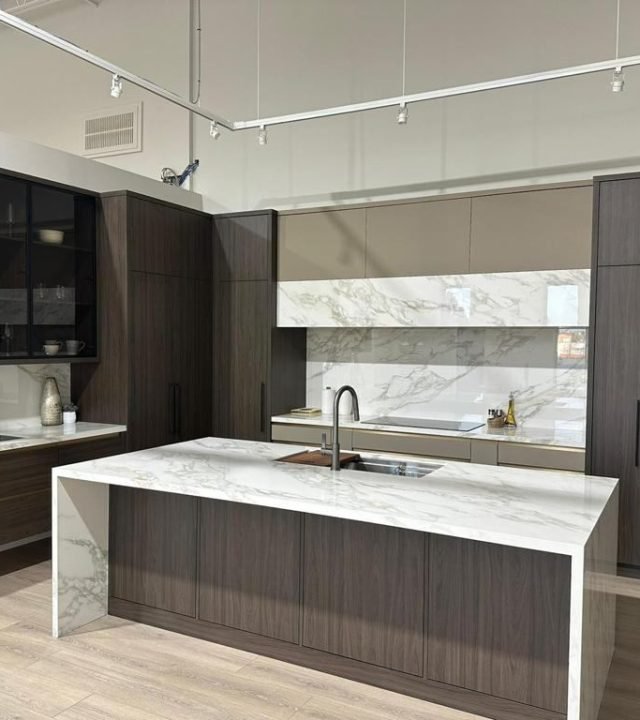
Porcelain countertops provide a sleek, versatile option for homeowners seeking both style and durability in their kitchens or bathrooms. Made from high-quality porcelain clay fired at extremely high temperatures, these surfaces are exceptionally resistant to heat, scratches, and stains—making them ideal for high-traffic areas.
With a wide range of colors, patterns, and finishes, porcelain can replicate the look of natural stone, wood, or concrete, offering endless design possibilities. Being non-porous, it is hygienic, easy to clean, and resistant to bacteria and mold growth.
Benefits of Porcelain Countertops
- Exceptional Durability: Resistant to heat, scratches, and impact.
- Non-Porous & Hygienic: Prevents moisture absorption and bacterial growth.
- Lightweight & Versatile: Easier to install compared to heavier stone surfaces.
- UV Resistant: Suitable for both indoor and outdoor applications.
- Minimal Maintenance: Simply clean with soap and water.
- Wide Color & Design Variety: Can mimic marble, granite, wood, and more, fitting any design aesthetic.
Porcelain Countertop Colors & Designs
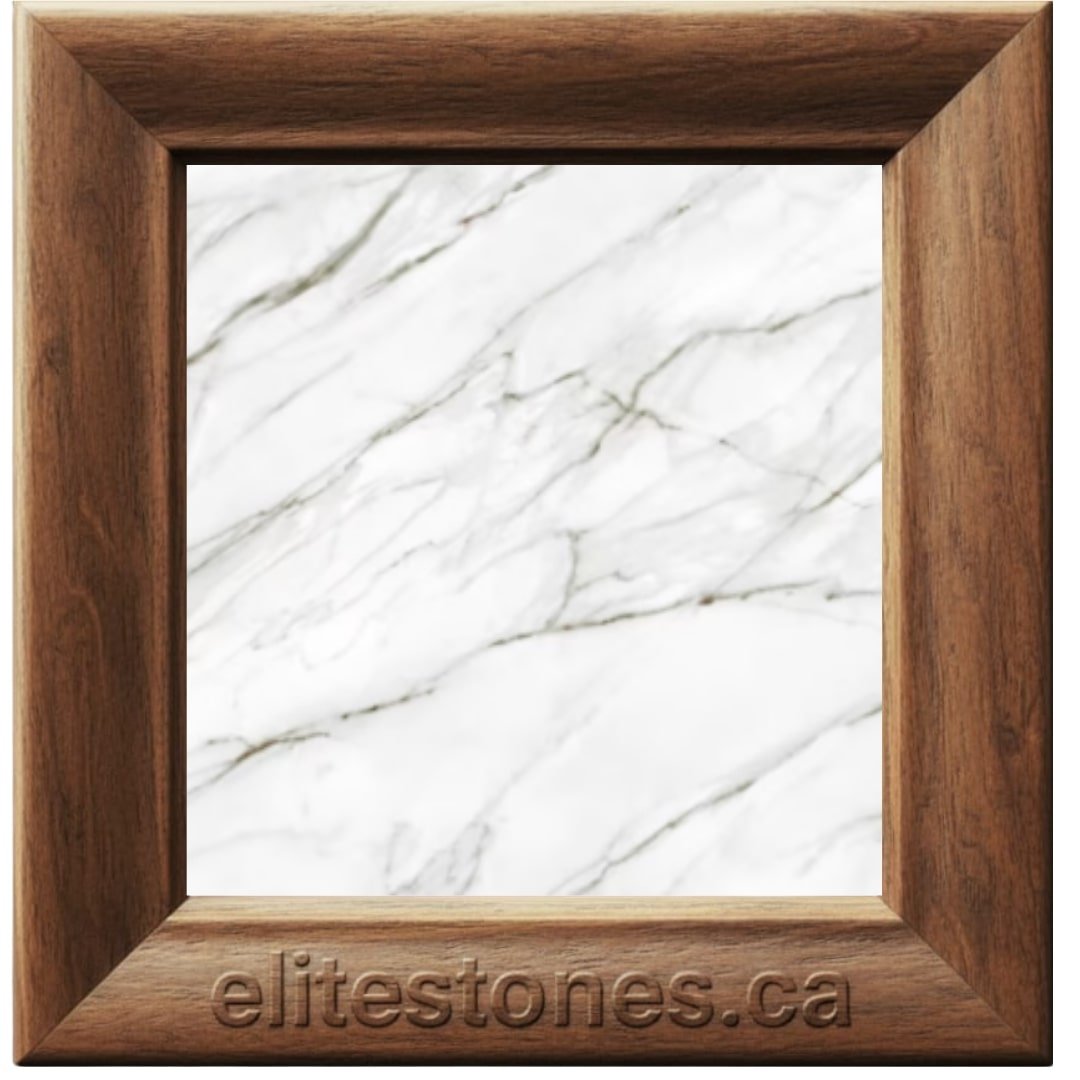
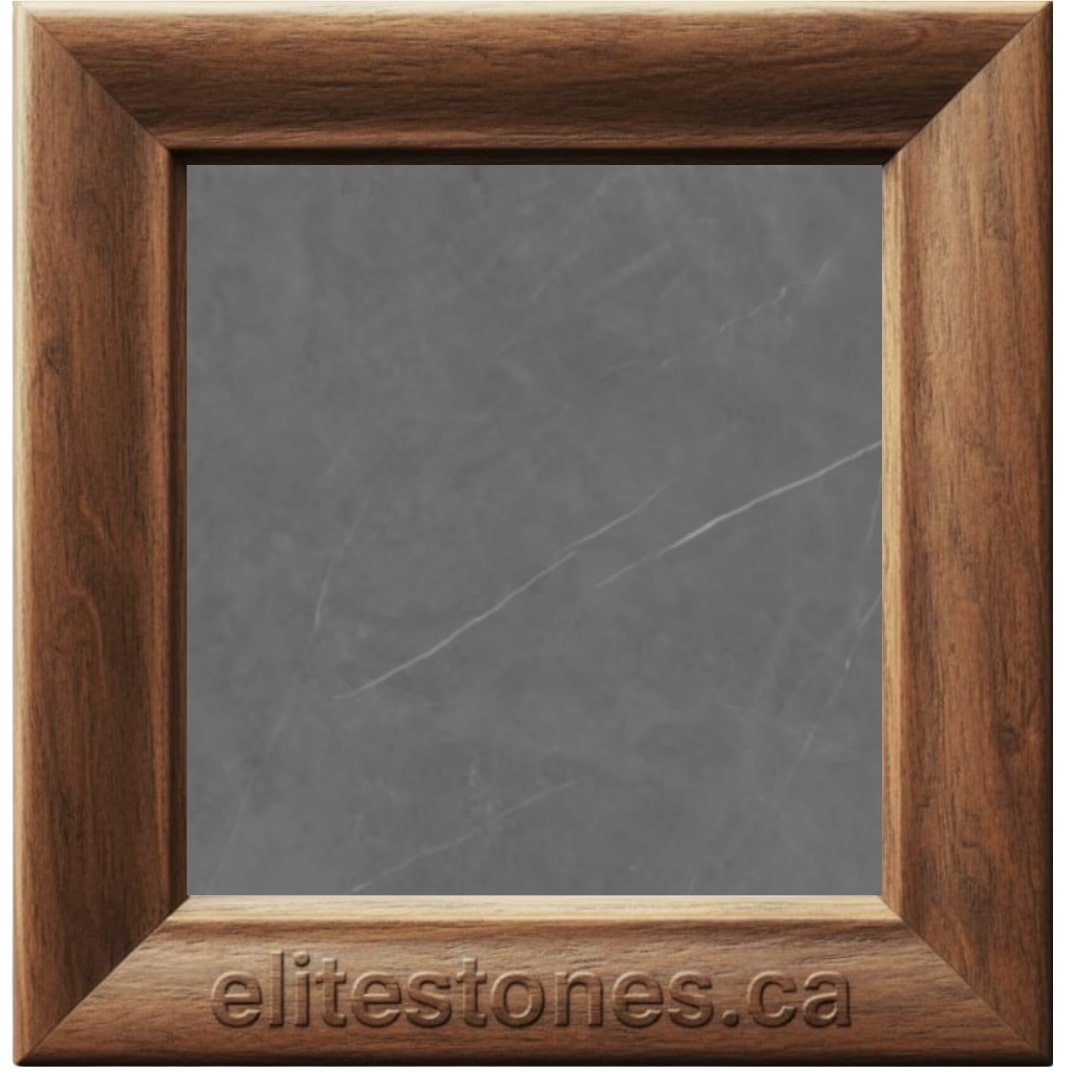
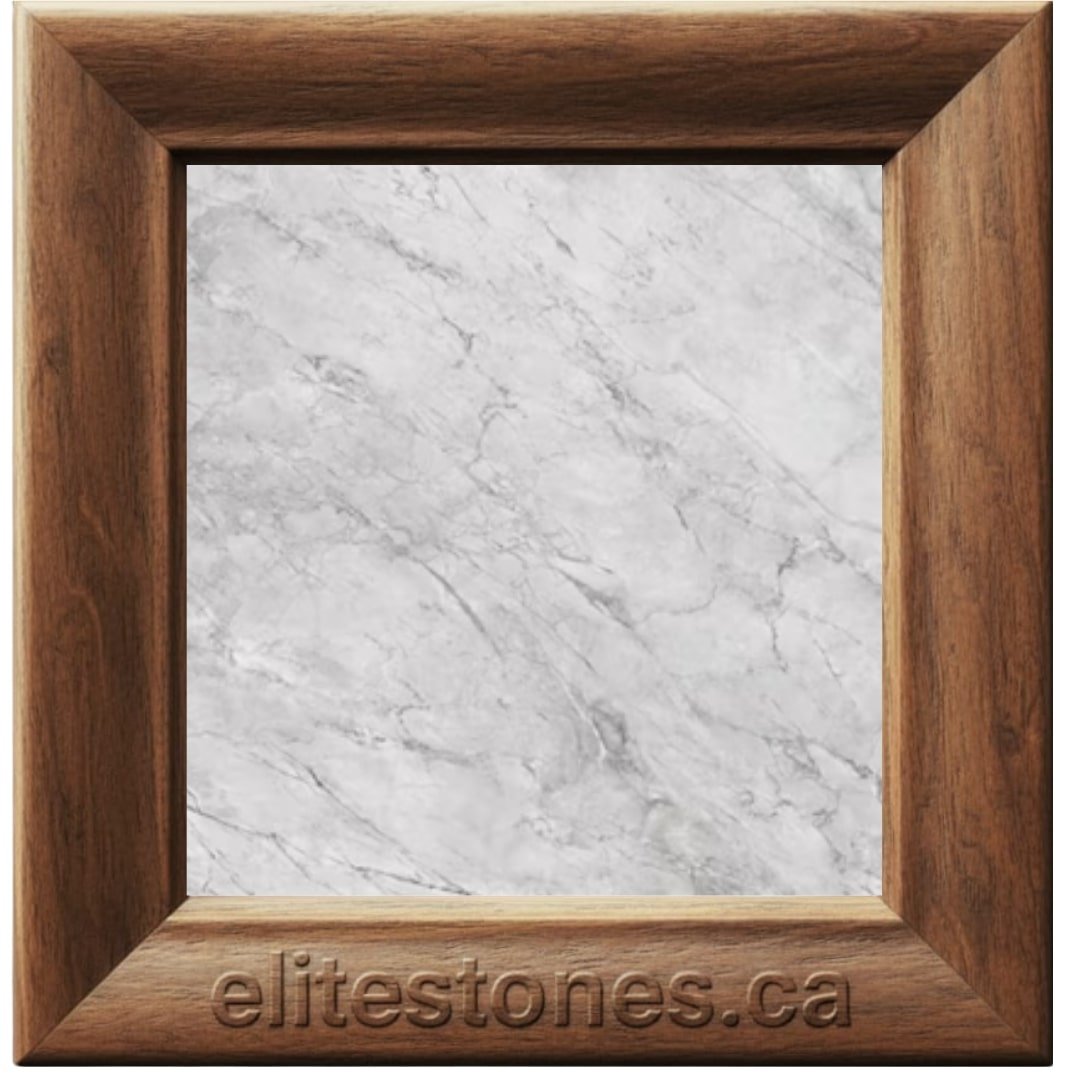
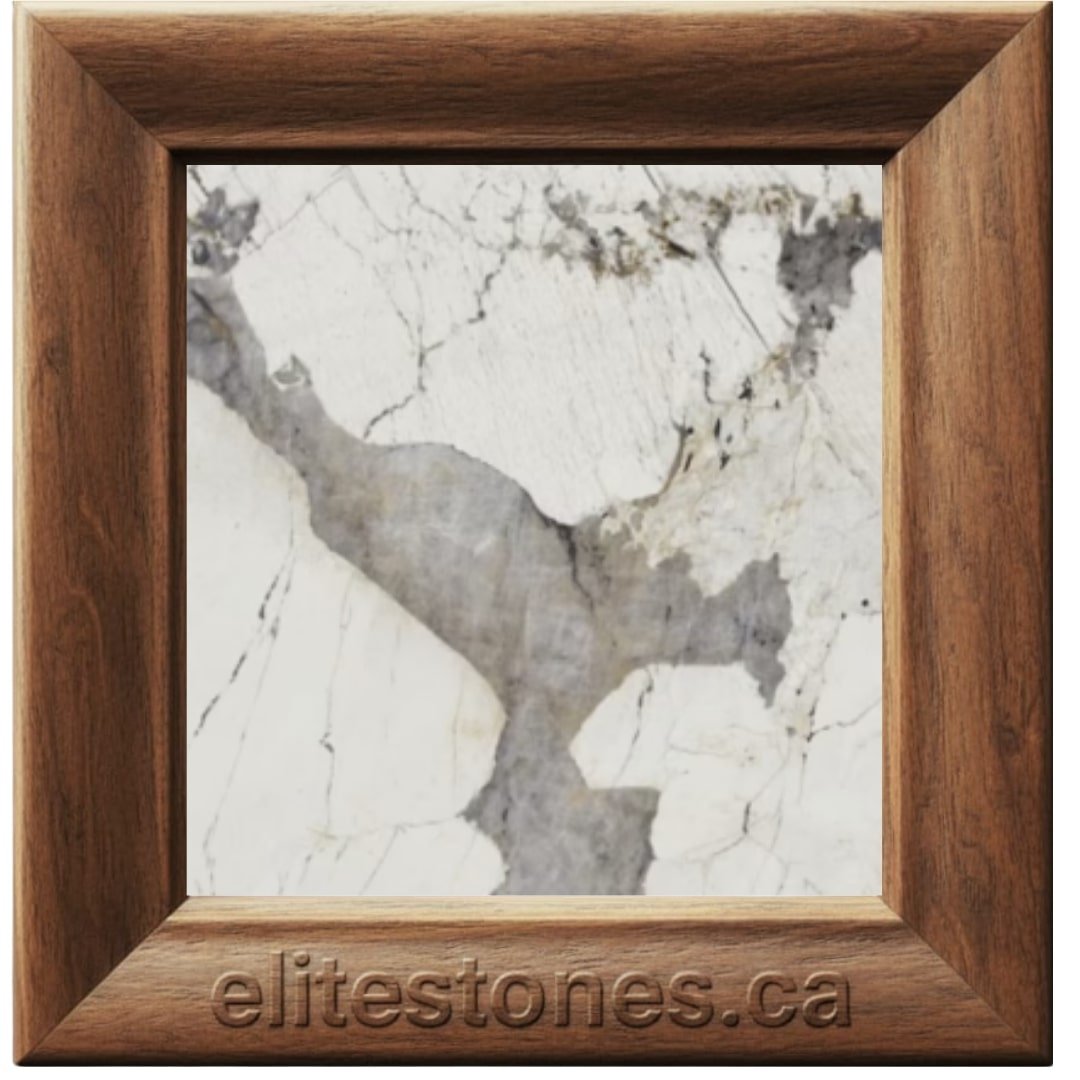
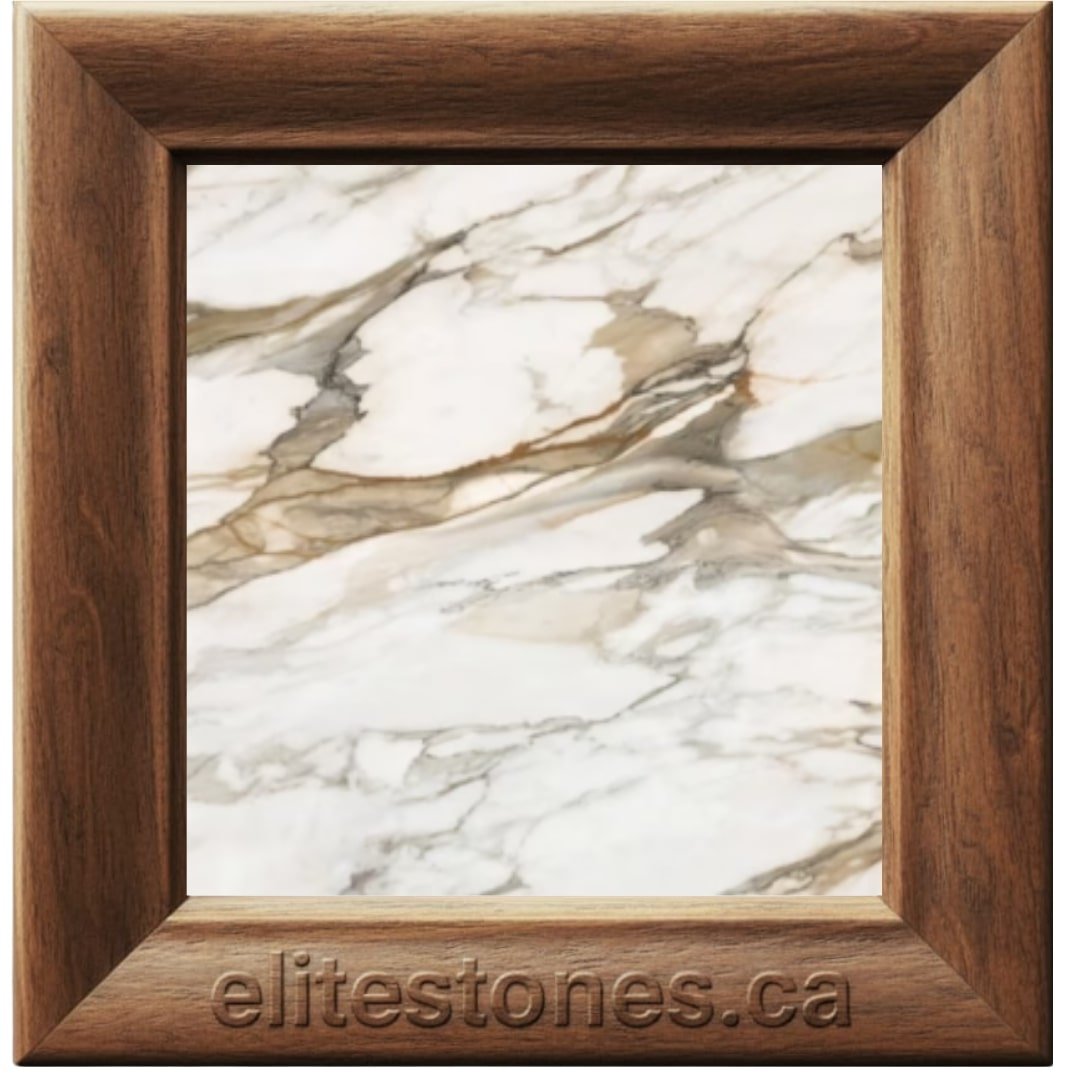
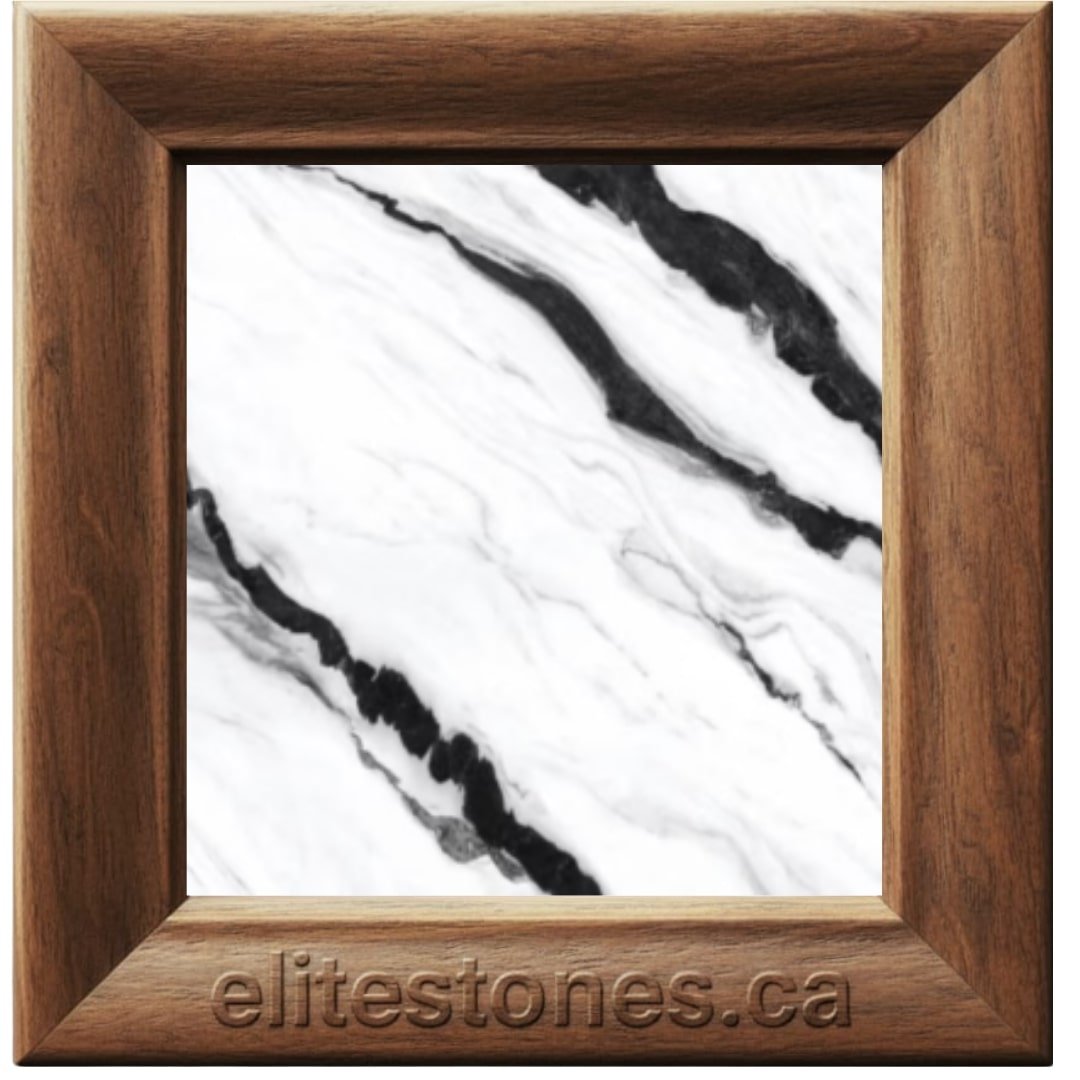
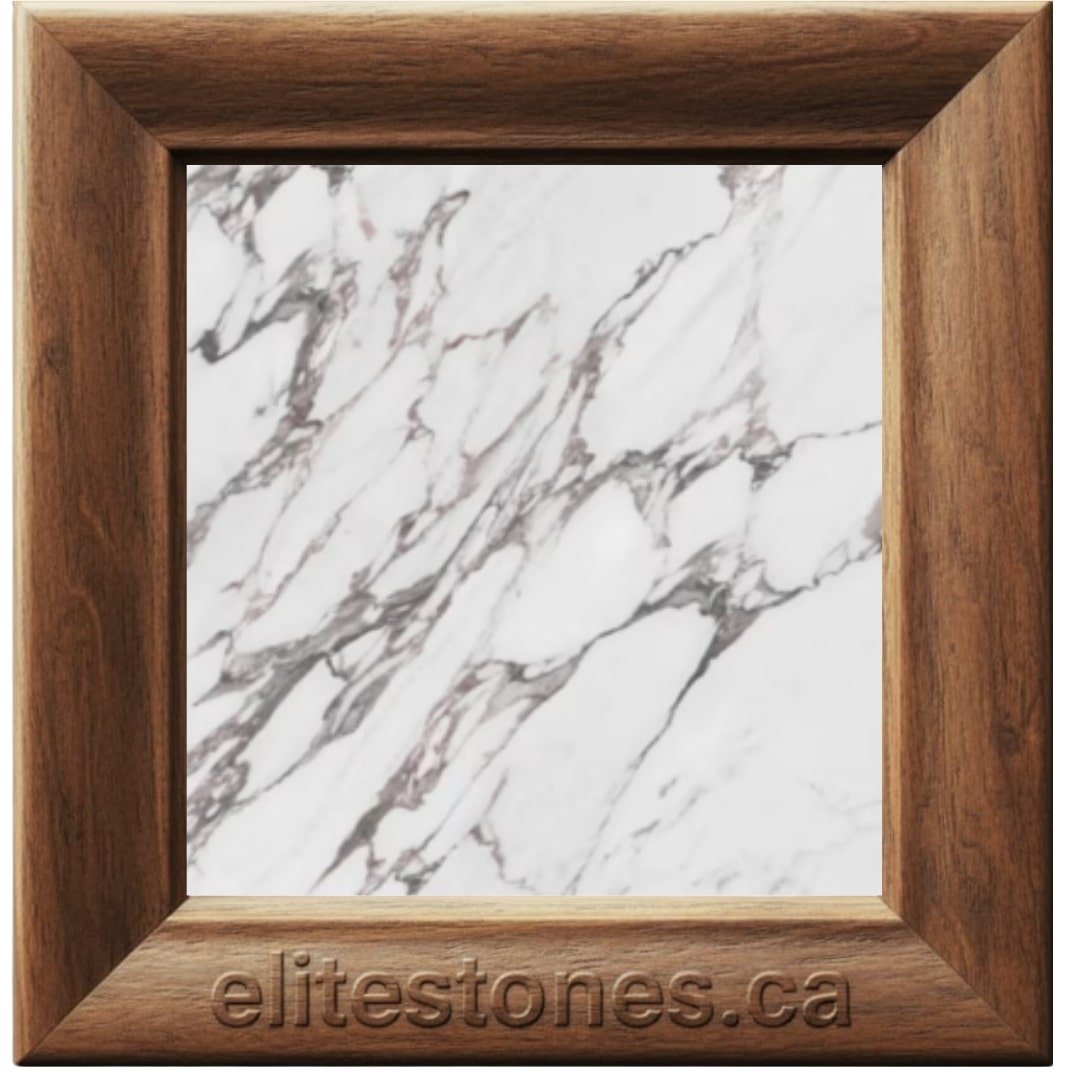
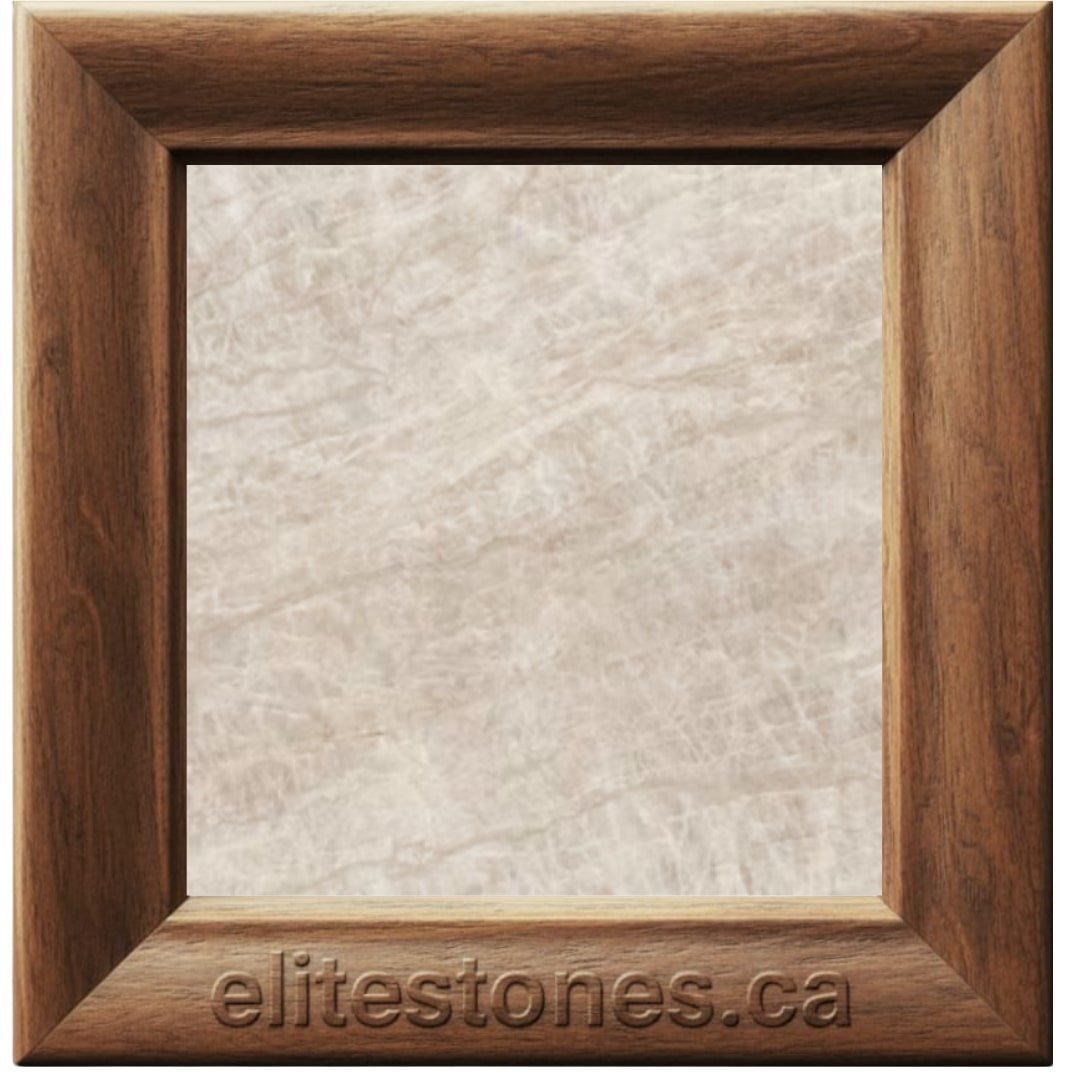
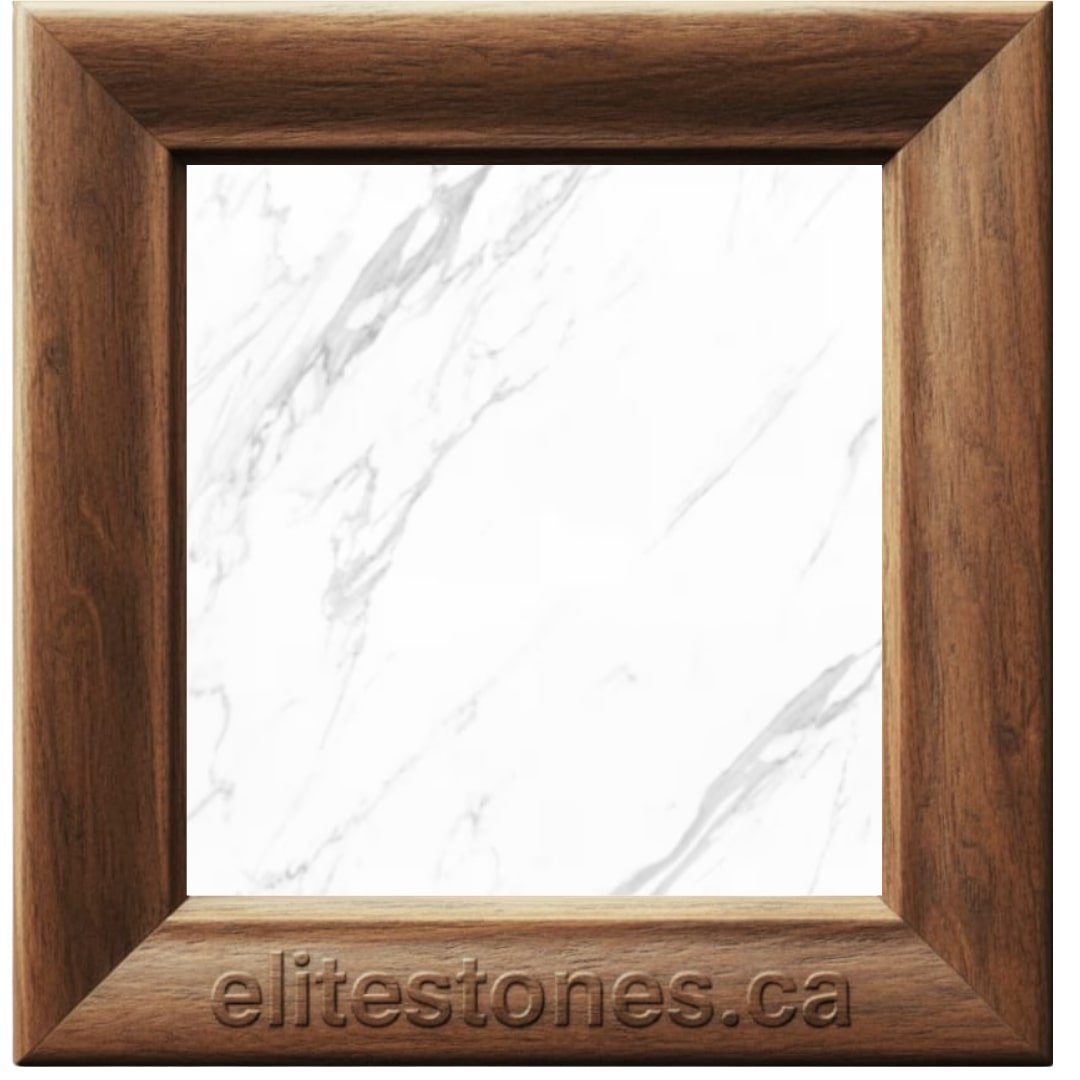
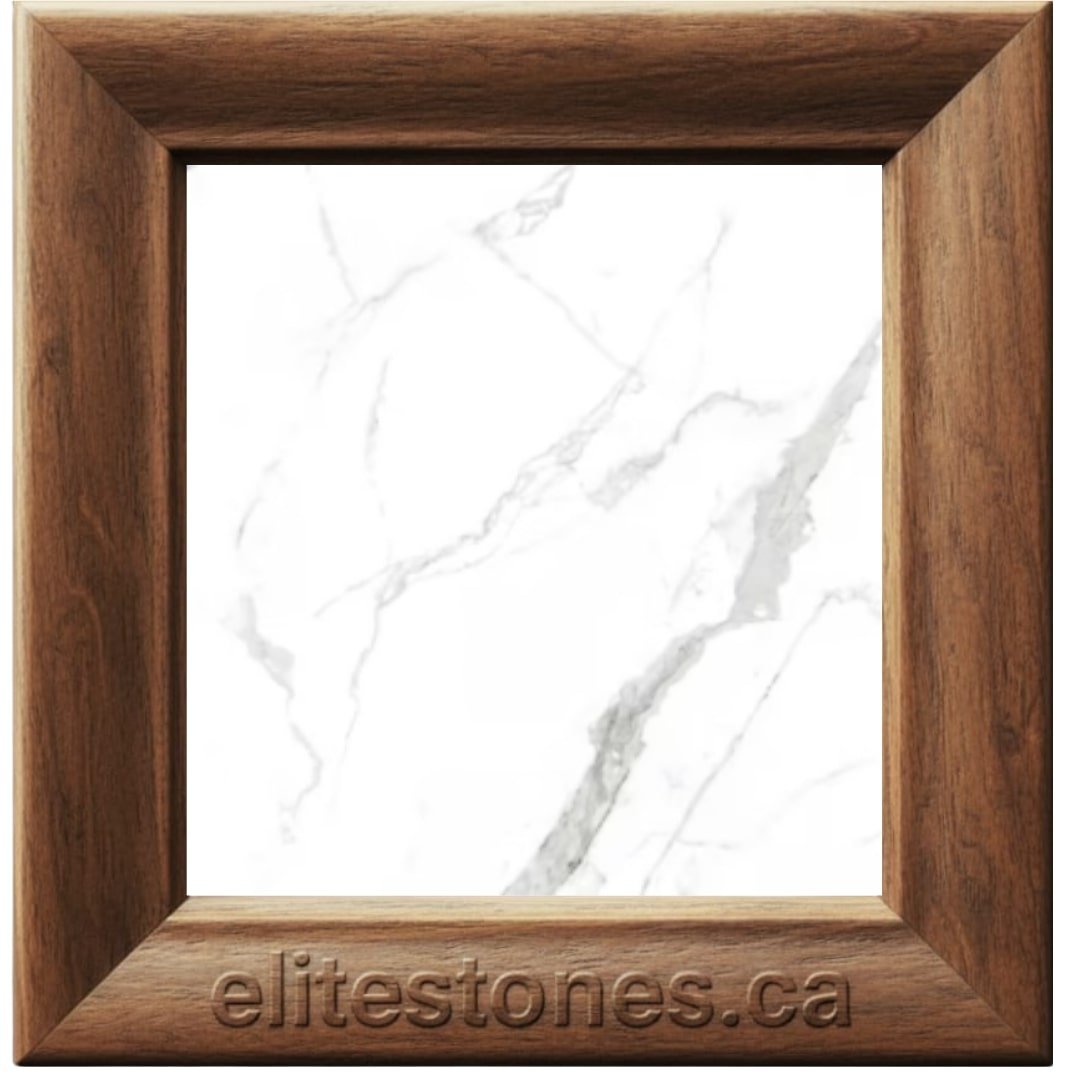
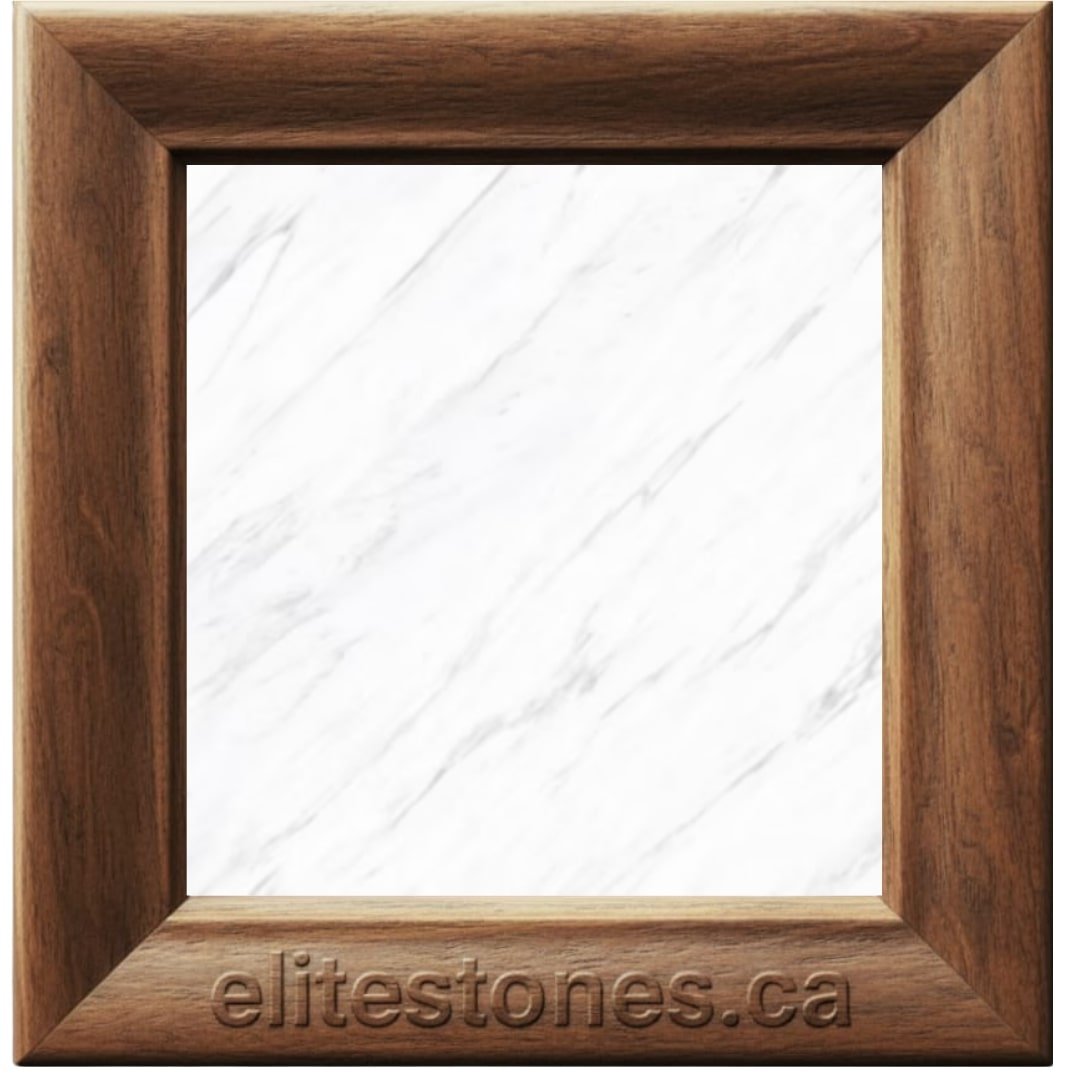
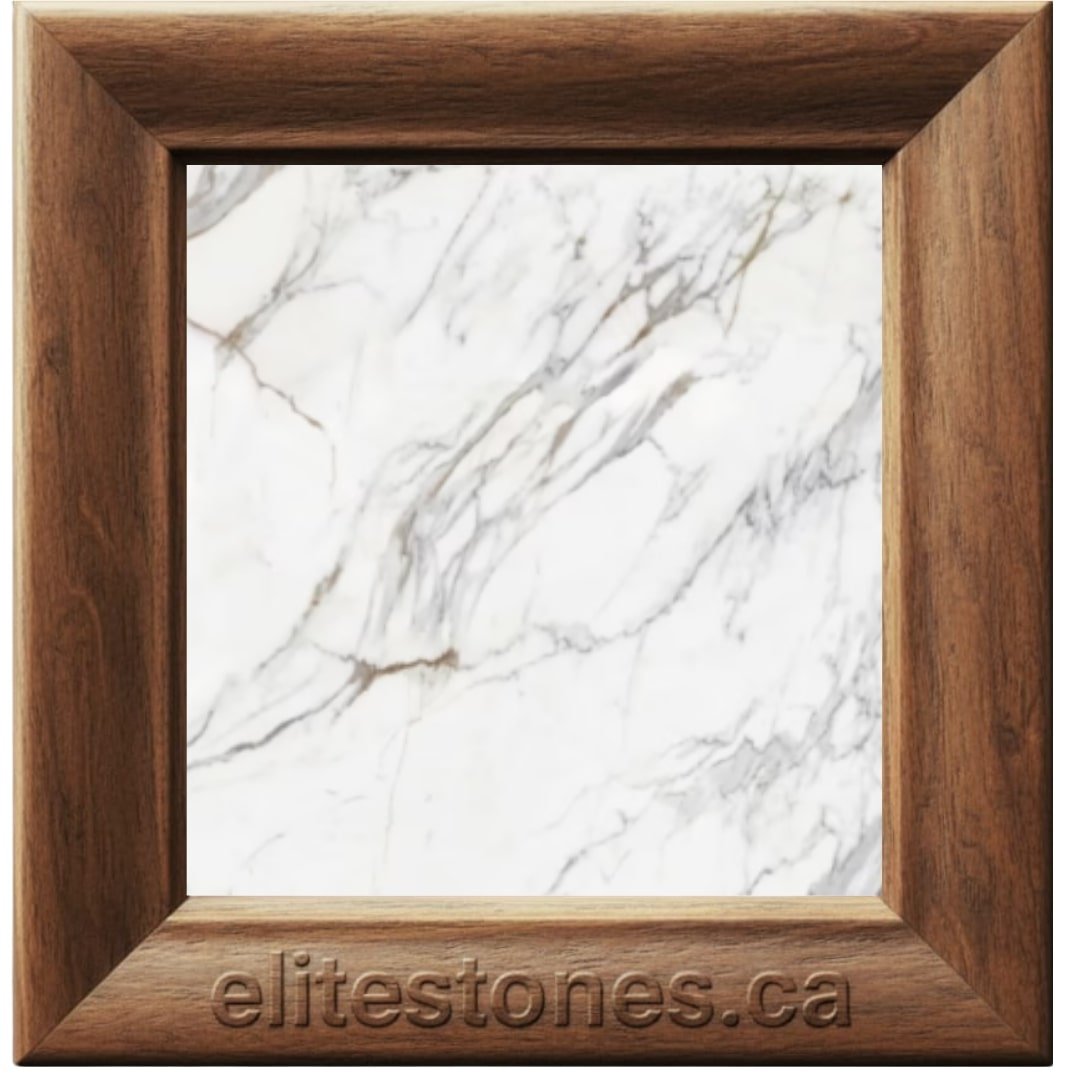
Porcelain countertops are available in a wide range of colors and finishes, from crisp whites and sophisticated grays to bold shades like deep black, as well as veined patterns that beautifully mimic marble.
Thanks to its engineered nature, each slab provides consistent color and veining, ensuring a seamless, uniform appearance for kitchen islands, backsplashes, and bathroom vanities.




Advantages & Considerations
Advantages
- Heat & Scratch Resistant: Perfect for busy kitchens.
- Low Maintenance: No sealing required.
- Lightweight & Versatile: Easier to install than many natural stones.
- Non-Porous & Hygienic: Resists stains, bacteria, and mold.
- Wide Variety of Designs: Can mimic stone, wood, or concrete.
Considerations
- Prone to Chipping: Especially at edges if impacted heavily.
- Specialized Installation: Requires expert cutting and handling.
- Higher Upfront Cost: More expensive than some alternative materials.